Essential Email and SMS Strategies
In today's competitive digital landscape, eCommerce businesses must stay ahead by embracing automation. This approach not only enhances efficiency but also fosters strong customer relationships. Let's explore the key strategies that can transform your marketing efforts!
What You Will Learn
- Implement automation flows like abandoned cart recovery, welcome series, and post-purchase follow-ups to enhance customer engagement.
- Utilize AI-driven personalization and behavior-based segmentation to create tailored marketing experiences that resonate.
- Integrate email and SMS marketing for a cohesive strategy that maximizes customer reach and improves ROI.
- Leverage analytics to track campaign performance and refine marketing strategies for better outcomes.
Key Marketing Automation Flows and Tools for eCommerce Success
This visual summarizes the essential marketing automation flows and tools discussed, highlighting their benefits and applications for eCommerce businesses.
Automation Flows Every eCommerce Store Should Implement
1. Abandoned Cart Recovery
- Timing is Key (within an hour)
- Compelling Messaging
- Incentives (discounts, free shipping)
2. Welcome Series for New Subscribers
- Introduction to Brand
- Product Highlights
- Exclusive Offers (discount codes)
3. Post-Purchase Follow-Up
- Thank You & Order Confirmation
- Follow-Up Survey
- Upsell Suggestions
4. Re-Engagement for Inactive Subscribers
- Exclusive Discounts
- Content Reminders
- Surveys to Understand Preferences
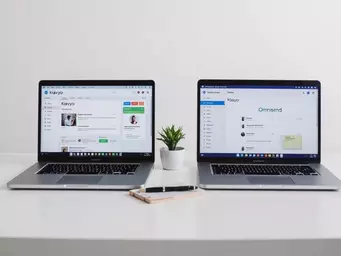
Key Automation Tools Comparison
Klaviyo
Features: Advanced segmentation, A/B testing, robust analytics.
Best For: eCommerce businesses seeking in-depth analytics.
Omnisend
Features: Multi-channel marketing, comprehensive automation workflows.
Best For: Brands looking for an all-in-one solution.
Email and SMS Marketing Automation Tactics for eCommerce Success
Email and SMS marketing automation has become a cornerstone for eCommerce success, empowering businesses to engage customers effectively and consistently. By automating these processes, we can see significant benefits such as improved customer retention, increased sales, and enhanced engagement. The ability to send timely and relevant messages enables us to connect with our audience and keep them coming back for more.
Moreover, automation saves precious time and resources, allowing us to focus on strategic initiatives while ensuring that our marketing efforts continue to run smoothly. As someone who deeply understands the digital marketplace, I can attest that adopting automation is not just a trend but a necessity for thriving in today’s competitive environment!
Understanding the Importance of Automation in eCommerce
- Boosts Efficiency: Automated workflows free up time for marketers to focus on creative strategies.
- Enhances Customer Experience: Personalized messaging helps in building stronger connections.
- Increases Conversion Rates: Targeted campaigns lead to higher sales and reduced cart abandonment.
- Improves Analytics: Automation tools provide better insights into campaign performance.
Implementing automation not only streamlines our processes but also allows us to be proactive in addressing customer needs. This has been a game-changer for many eCommerce stores, including those featured in iBiz Magazine, which are leveraging these tactics to maximize their impact.
Key Automation Flows Every eCommerce Store Should Implement
Effective Abandoned Cart Recovery Strategies
One of the most critical automation flows in eCommerce is the abandoned cart recovery strategy. Research shows that a staggering number of customers leave items in their cart without completing the purchase. By implementing an automated follow-up message, we can remind these customers of their abandoned items, increasing the likelihood of conversion.
- Timing is Key: Send the first reminder within an hour of abandonment.
- Compelling Messaging: Use engaging visuals and copy that highlights the benefits of the products.
- Incentives: Consider offering discounts or free shipping to encourage the purchase.
Combining these strategies can significantly enhance recovery rates, turning lost opportunities into sales. At iBiz Magazine, we emphasize the importance of crafting personalized messages that resonate with your audience!
Welcome Series for New Subscribers
Crafting a well-thought-out welcome series for new subscribers is crucial in engaging them from the outset. This series can create a positive first impression and increases the chances of retaining these new customers. For instance:
- Introduction Email: Welcome them to your brand and share your mission.
- Product Highlights: Showcase bestsellers or new arrivals to pique their interest.
- Exclusive Offers: Provide a discount code as a thank-you for subscribing.
By nurturing new subscribers with a series of thoughtful communications, we can build lasting relationships that encourage future purchases, a tactic that I've seen work wonders in my own ventures!
Post-Purchase Follow-Up Sequences
Post-purchase communication is vital for enhancing the customer experience and encouraging repeat purchases. It’s an opportunity to thank customers, provide product usage tips, and even request feedback. Here are effective strategies to implement:
- Thank You Email: Express gratitude and confirm the order details.
- Follow-Up Survey: Ask for feedback on their shopping experience.
- Upsell Suggestions: Recommend complementary products based on their purchase.
This not only shows that we care about their experience but also positions us to boost their lifetime value as customers. It’s a win-win situation!
Re-Engagement Tactics for Inactive Subscribers
Re-engaging dormant customers can be a challenge, but with targeted email and SMS campaigns, we can effectively reignite their interest. Consider using:
- Exclusive Discounts: Provide special offers to entice them back.
- Content Reminders: Share blog posts or products they might have missed.
- Surveys: Ask why they haven’t engaged recently and what they’d like to see more of.
These tactics not only help in reactivating inactive subscribers but also provide insights into customer preferences, enabling us to refine our strategies further.
Personalization and Segmentation Techniques
AI-Driven Personalization Strategies
Artificial Intelligence (AI) plays a significant role in enhancing personalization in email and SMS marketing. By analyzing customer data, AI can help create tailored experiences for each subscriber based on their preferences and behaviors. For example, AI can:
- Predict Buying Behavior: Anticipate what products customers may be interested in next.
- Customize Content: Adjust messaging to match individual preferences.
- Optimize Send Times: Determine the best times to reach each customer.
This advanced level of personalization not only improves customer experience but also drives engagement rates significantly!
Behavior-Based Segmentation for Targeted Campaigns
Segmenting audiences based on their behavior allows for more targeted and effective campaigns. By categorizing customers into groups like frequent buyers, one-time shoppers, and those who browse but don’t buy, we can tailor our marketing efforts accordingly. Here are some segmentation ideas:
- Purchase History: Target customers based on what they’ve previously bought.
- Engagement Level: Segment by how often they open emails or click links.
- Demographics: Use age, location, or preferences to create relevant campaigns.
By applying these segmentation techniques, we can achieve higher engagement rates, as messages resonate more with targeted audiences!
Integrating Email and SMS Marketing for Higher ROI
Leveraging Multiple Channels for a Unified Experience
Combining email and SMS marketing creates a comprehensive strategy that enhances customer engagement. Using both channels allows us to reach customers where they are most active. Consider these benefits:
- Increased Reach: Engage customers through their preferred communication method.
- Consistent Messaging: Maintain a unified brand voice across channels.
- Higher Conversion Potential: SMS reminders can complement email campaigns for better results.
At iBiz Magazine, I’ve seen firsthand how leveraging both channels leads to higher ROI and improved customer satisfaction!
Choosing the Right Tools for Automation
To optimize our email and SMS marketing efforts, selecting the right automation tools is essential. Two popular platforms worth considering are:
| Platform | Features | Best For |
|---|---|---|
| Klaviyo | Advanced segmentation, A/B testing, analytics | eCommerce businesses seeking robust analytics |
| Omnisend | Multi-channel marketing, automation workflows | Brands looking for an all-in-one solution |
Choosing the right tool can transform our marketing efforts, making it crucial to evaluate which platform aligns with our specific needs and goals.
Utilizing Analytics and Reporting for Campaign Optimization
Analytics are the backbone of effective marketing strategies. To measure the success of our email and SMS campaigns, it’s vital to track key performance indicators (KPIs) such as:
- Open Rates: Measure how many recipients opened your emails.
- Click-Through Rates: Assess engagement by tracking link clicks.
- Conversion Rates: Evaluate how many interactions led to purchases.
These insights can help refine our future campaigns, ensuring we continually improve and meet customer expectations!
Pro Tip
Did you know? Integrating feedback loops into your email and SMS campaigns can significantly enhance customer engagement. Encourage your customers to share their thoughts on your products and services through quick surveys or feedback requests. This not only provides you with valuable insights but also makes your customers feel valued and heard, fostering stronger relationships!
Frequently Asked Questions About eCommerce Automation
Q: What are the primary benefits of implementing automation in eCommerce?
A: Implementing automation in eCommerce offers several benefits, including boosting efficiency, enhancing customer experience through personalized messaging, increasing conversion rates via targeted campaigns, and improving analytics for better insights into campaign performance.
Q: How quickly should an abandoned cart recovery email be sent?
A: For maximum effectiveness, the first abandoned cart recovery email should ideally be sent within an hour of the customer abandoning their cart.
Q: What kind of content should be included in a welcome series for new subscribers?
A: A welcome series should typically include an introduction to your brand and its mission, highlights of best-selling or new products, and exclusive offers (like discount codes) to encourage a first purchase and build a lasting relationship.
Q: Why is post-purchase communication important?
A: Post-purchase communication is crucial for enhancing the customer experience, expressing gratitude, confirming order details, providing product usage tips, and gathering valuable feedback. It also creates opportunities for upselling and encouraging repeat purchases, thereby boosting customer lifetime value.
Q: How can AI enhance personalization in marketing?
A: AI can significantly enhance personalization by predicting buying behavior, customizing content to match individual preferences, and optimizing send times for emails and SMS messages. This leads to more relevant communications and higher engagement rates.
Q: What are some key metrics to track for email and SMS campaign optimization?
A: Key performance indicators (KPIs) to track include open rates (for emails), click-through rates (for both emails and SMS), and conversion rates, which measure how many interactions lead to purchases. These metrics are vital for refining future campaigns and meeting customer expectations.
Q: What are the legal considerations for email and SMS marketing?
A: It's important for businesses to adhere to regulations like the CAN-SPAM Act for email marketing, which outlines compliance requirements for commercial emails. For SMS marketing, businesses should be aware of rules regarding preventing unwanted messages and calls, ensuring they have explicit consent from subscribers. Additionally, following best practice guidance for email marketing can help maintain good sender reputation and avoid legal issues.
Wrapping Up Your Email and SMS Automation Journey
Key Takeaways on Automation for eCommerce
As we conclude our discussion on email and SMS marketing automation, it’s crucial to remember the core tactics we've explored. These strategies are not just about sending out messages; they’re designed to enhance the overall customer experience and drive sales growth.
To summarize, here are the essential tactics to keep in mind:
- Automation Flows: Implement abandoned cart recovery, welcome series, and post-purchase follow-ups to keep customers engaged.
- Personalization: Utilize AI-driven strategies and behavior-based segmentation for tailored marketing.
- Integration: Combine email and SMS for a seamless customer experience that maximizes ROI.
- Analytics: Always analyze campaign performance to inform your future strategies.
Each of these elements plays a vital role in creating a successful eCommerce business. Implementing these strategies will help you build stronger relationships with your customers and boost your bottom line!
Next Steps for Implementation and Growth
Now that you have a solid understanding of the tactics involved in email and SMS marketing automation, it’s time to take action! Start small—pick one or two automation flows to implement in your store. Remember, even incremental changes can lead to significant results over time.
For further learning, I encourage you to check out our resources at iBiz Magazine. Here are a few great places to start:
- Our comprehensive guides on setting up automation flows
- Case studies showcasing successful implementations
- Webinars focused on advanced marketing techniques
Each step you take toward automation is a step toward a more efficient and profitable eCommerce business!
Engaging with the Community and Staying Updated
Your insights and experiences matter! I invite you to share your thoughts on automation strategies that have worked for you—or any questions you may have—right here at iBiz Magazine.
Also, don’t miss out on future trends in email and SMS marketing automation! Follow us to stay updated on the latest strategies and insights. Engaging with our community can provide valuable support as you navigate your marketing journey.
Exploring Loyalty Programs and Customer Retention Strategies
Implementing loyalty programs is a fantastic way to enhance customer retention and complement your marketing automation efforts. When customers feel rewarded for their loyalty, they are more likely to engage with your brand and make repeat purchases.
Here are a few strategies you might consider:
- Points-Based Systems: Reward customers for purchases, referrals, or social media shares.
- Exclusive Offers: Provide special discounts or early access to sales for loyalty members.
- Personalized Rewards: Tailor rewards based on individual purchase history to increase engagement.
Building a loyal customer base not only drives sales but also enhances the effectiveness of your email and SMS campaigns. Think of it as a way to nurture relationships while simultaneously boosting your business!
Recap of Key Points
Here is a quick recap of the important points discussed in the article:
- Automation Flows: Implement abandoned cart recovery, welcome series, and post-purchase follow-ups to keep customers engaged.
- Personalization: Utilize AI-driven strategies and behavior-based segmentation for tailored marketing.
- Integration: Combine email and SMS for a seamless customer experience that maximizes ROI.
- Analytics: Always analyze campaign performance to inform your future strategies.