Building Effective Sales Funnels
Are you ready to transform your marketing approach? A high-converting sales funnel is the key to not only attracting customers but also nurturing them into loyal advocates for your brand. Understanding each stage of this funnel can significantly impact your revenue and customer retention.
What You Will Learn
- The sales funnel consists of five key stages: Awareness, Interest, Consideration, Action, and Retention.
- High-converting sales funnels can lead to increased revenue and provide insights into customer behavior.
- Mapping content to customer pain points at each funnel stage enhances engagement and builds trust.
- Collecting feedback and analyzing customer behavior can help refine your marketing strategies.
- Post-purchase strategies, such as follow-up emails and loyalty programs, are essential for increasing customer lifetime value.
- Integrating a multi-channel approach ensures you reach customers across various platforms, enhancing their journey through the funnel.
- Utilizing social proof, including testimonials and case studies, can significantly boost your sales funnel performance.
The High-Converting Sales Funnel Visualized
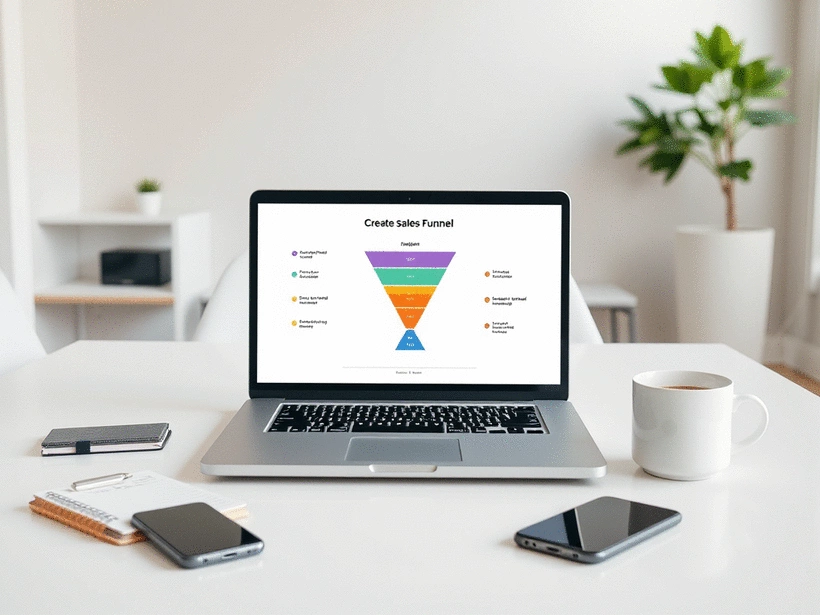
This visual illustrates the stages of a high-converting sales funnel, from initial customer awareness to long-term retention, highlighting key actions and strategies at each step.
Understanding the High-Converting Sales Funnel
In the digital marketplace, every entrepreneur must grasp the concept of a sales funnel. A sales funnel is a visual representation of the journey potential customers take from discovering your brand to making a purchase and beyond. It helps you understand the steps your audience goes through, allowing you to optimize each stage for better conversions.
Understanding this funnel is crucial because it not only illustrates how customers interact with your brand but also highlights the opportunities for you as a business owner to engage and convert. At iBiz Magazine, we believe that a well-structured sales funnel can be the backbone of your marketing strategy, ensuring that you effectively address your customers' needs at every turn.
Defining the Concept of a Sales Funnel
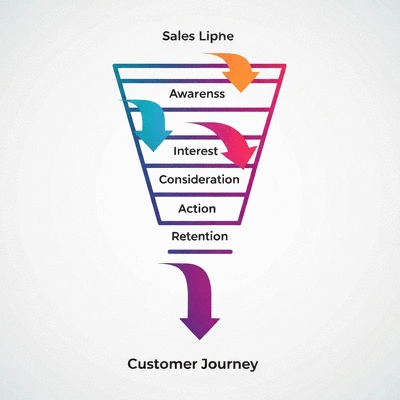
So, what exactly is a sales funnel? Simply put, it's a model that outlines the customer journey, starting from awareness and moving through to retention. As highlighted by this Small Business Administration resource, the goal is to guide potential customers through this journey, helping them make informed decisions along the way. Here’s a quick breakdown of the stages:
- Awareness: The customer becomes aware of your product or service.
- Interest: The customer shows interest in learning more about your offering.
- Consideration: The customer evaluates your product against competitors.
- Action: The customer takes the desired action, such as making a purchase.
- Retention: The focus shifts to keeping the customer engaged and satisfied.
By visualizing this process, you can better understand where your potential customers might drop off and how you can address those gaps effectively.
The Importance of High-Converting Sales Funnels
Creating a high-converting sales funnel is essential for revenue growth—no ifs, ands, or buts! Without a solid funnel, even the best products can fall flat. A high-converting funnel helps you to optimize your marketing efforts, ensuring you're not just attracting visitors to your site, but converting them into loyal customers.
- Increased Revenue: A well-designed funnel can lead to higher conversion rates.
- Customer Insights: Understanding how customers interact with your funnel provides valuable data.
- Targeted Marketing: Tailor your marketing strategies based on funnel performance.
As you can see, investing in a high-converting sales funnel pays off in multiple ways. You’ll empower your business to attract, engage, and retain customers effectively, ultimately driving sustainable growth.
Mapping the Buyer’s Journey to Your Sales Funnel
Let’s dive deeper into how to align your sales funnel with the buyer’s journey. Each stage of the funnel corresponds to specific customer behaviors and needs, and mapping these can significantly improve your conversion rates.
Stages of a Sales Funnel: From Awareness to Retention
Understanding each stage of your sales funnel is crucial. Here’s a closer look:
- Awareness: This is where your potential customers first learn about your brand.
- Interest: Here, they start to engage with your content to know more.
- Consideration: Customers weigh their options, often comparing your offerings with competitors.
- Action: This is the pivotal moment when they make a purchase.
- Retention: Post-purchase, maintaining their engagement is key to long-term success.
Each stage requires tailored strategies to keep your audience moving smoothly through the funnel. By understanding these stages, you're better equipped to create content and campaigns that resonate with your potential customers.
Aligning Content with Customer Pain Points
Mapping your content to customer pain points at each funnel stage is essential for effective engagement. At iBiz Magazine, we recommend identifying common questions and challenges to create content that speaks directly to your audience's needs. This alignment not only helps in attracting the right traffic but also nurtures leads through the funnel.
- Awareness Stage: Create blog posts addressing common industry pain points.
- Interest Stage: Offer free resources or webinars to educate your audience.
- Consideration Stage: Develop comparison guides or case studies to highlight your advantages.
- Action Stage: Utilize persuasive landing pages with clear CTAs.
- Retention Stage: Share helpful tips and updates to keep customers engaged.
By aligning your content with customer pain points, you're not just selling a product; you're building trust and relationships that lead to repeat business.
Understanding the Customer Journey: Insights and Strategies
The customer journey is pivotal to each sales funnel stage. As entrepreneurs, we need to recognize how customers move through these stages and what influences their decisions. Insights gained from customer interactions can inform your marketing strategies and ensure you're meeting their needs.
To enhance conversion rates, consider the following strategies:
- Collect Feedback: Regularly ask customers for their thoughts on your offerings and funnel experience.
- Analyze Behavior: Use analytics tools to track customer interactions at each funnel stage.
- Refine Strategies: Continually adjust your marketing approach based on customer insights.
By taking the time to understand the customer journey, you can create a more effective sales funnel that not only boosts your conversions but also enriches the overall customer experience.
Pro Tip
Did you know? Regularly analyzing your sales funnel's performance can reveal hidden opportunities for improvement. Utilize A/B testing to experiment with different elements—such as headlines and call-to-action buttons—to see what resonates best with your audience. Small tweaks can lead to significant increases in conversion rates!
Frequently Asked Questions About Sales Funnels
What are the five stages of a high-converting sales funnel?
The five stages are Awareness, Interest, Consideration, Action, and Retention. Each stage focuses on guiding potential customers through their journey from discovery to loyal advocacy.
Why is a high-converting sales funnel important for my business?
A high-converting sales funnel is crucial for increasing revenue, providing valuable insights into customer behavior, and enabling more targeted and effective marketing strategies. It helps optimize efforts to turn visitors into loyal customers.
How can I align my content with customer pain points in the sales funnel?
Aligning content involves creating specific content for each stage: blog posts for Awareness, free resources for Interest, comparison guides for Consideration, persuasive landing pages for Action, and helpful tips for Retention. This ensures your content directly addresses customer needs at each step.
What post-purchase strategies can I use to increase customer lifetime value?
Post-purchase strategies include sending personalized follow-up emails, implementing loyalty programs to reward repeat purchases, and offering referral incentives to encourage customers to recommend your brand to others. These help build long-term relationships and advocacy.
How does a multi-channel funnel approach benefit my marketing strategy?
A multi-channel approach, integrating paid advertising, email marketing, organic content, and social media engagement, ensures you reach customers across various platforms. This makes it easier for them to move through your sales funnel by meeting them where they are and providing consistent touchpoints.
Real-World Examples and Case Studies of Successful Sales Funnels
At iBiz Magazine, we understand that theory is often best complemented by real-world applications. Let's explore some case studies showcasing how businesses have transformed their sales processes by implementing effective sales funnels.
One compelling example comes from an eCommerce store that specialized in health supplements. Before implementing a structured sales funnel, their conversion rate was a mere 1.5%. After mapping their buyer's journey and refining their funnel, they saw their conversion rate soar to 5% within three months!
- Initial Step: The business identified a lack of awareness about their product benefits and tailored content to educate potential customers.
- Optimization: They introduced lead magnets, such as free downloadable guides, which helped capture emails and nurture leads.
- Result: Following these changes, their email open rates increased, leading to better engagement and sales.
This transformation illustrates the power of a well-structured sales funnel. By analyzing metrics and making strategic adjustments, businesses can significantly boost their performance. Case studies like this remind us that the right systems in place can create remarkable results!

Strategies for Addressing Common Funnel Challenges
Even with a great sales funnel, challenges can arise that hinder conversions. Here at iBiz Magazine, I often hear entrepreneurs express frustration over funnel leaks and conversion issues. Fortunately, I have some effective strategies to share!
- Identify Drop-Off Points: Use analytics tools to track where potential customers are leaving your funnel. This will help pinpoint specific areas that need improvement.
- Refine Your Messaging: Ensure your messaging aligns with customer needs and pain points. A mismatch can lead to disengagement.
- Conduct A/B Testing: Test different elements of your funnel, such as headlines, images, and CTAs, to discover what resonates best with your audience.
By implementing these strategies, you can address common challenges and enhance your overall funnel performance. Remember, optimizing your funnel is a continuous process, and every adjustment is a step toward success!
Encouraging Long-Term Customer Relationships
Post-Purchase Strategies to Increase Customer Lifetime Value
Once a customer makes a purchase, the journey doesn’t end there! It’s crucial to nurture long-term relationships to increase their lifetime value. Here at iBiz Magazine, I always recommend a few key techniques.
- Follow-Up Emails: Send personalized thank-you emails and check-ins to show appreciation and keep the conversation going.
- Loyalty Programs: Implement programs that reward repeat purchases, encouraging customers to come back.
- Referral Incentives: Motivate customers to refer friends by offering discounts or freebies for successful referrals.
These strategies not only help retain customers but also transform them into brand advocates. By investing in post-purchase relationships, you create a solid foundation for future sales!
Creating a Multi-Channel Funnel Approach
In today’s digital landscape, a single-channel approach may not be enough. Integrating various platforms into a cohesive funnel is key to reaching your audience effectively. At iBiz Magazine, I emphasize the importance of a multi-channel funnel strategy.
- Paid Advertising: Use targeted ads on social media and search engines to drive traffic to your funnel.
- Email Marketing: Nurture leads through consistent email communication that addresses their pain points and interests. For deeper insights into this, a helpful article from Neil Patel's blog on email marketing funnels provides excellent guidance on integrating emails into your funnel.
- Organic Content: Create valuable content on your blog or website that attracts potential customers through SEO.
- Social Media Engagement: Engage with your audience on platforms they frequent, sharing insights and updates about your offerings.
Integrating these channels ensures you meet customers where they are, making it easier for them to transition through your sales funnel. It’s all about being proactive and accessible!
Leveraging Social Proof to Boost Sales Funnel Performance
Social proof is a potent tool in today's market. Testimonials, reviews, and case studies can significantly enhance trust and credibility, which are vital for conversions. A detailed guide on this topic from Forbes Advisor about social proof emphasizes its importance. Here at iBiz Magazine, I encourage entrepreneurs to embrace social proof as part of their sales funnel strategy!
- Showcase Testimonials: Feature positive customer feedback prominently on your landing pages to build trust.
- Utilize Case Studies: Share detailed success stories illustrating how your product has made a positive impact.
- Encourage Reviews: Actively seek reviews post-purchase and make it easy for customers to share their experiences.
By incorporating social proof into your funnel, you not only enhance credibility but also ease potential customers' decision-making process. Remember, when prospects see that others have benefited, they are more likely to convert!
Final Thoughts on Building an Effective Sales Funnel
Building an effective sales funnel is an ongoing journey, and each of us has unique paths to take. I hope the insights shared here inspire you to evaluate and refine your funnels. Remember to consider your customers' experiences and continuously optimize for better results!
Take Action on Your Sales Funnel Strategy Today
Are you ready to take your sales funnel to the next level? I invite you to download additional resources or sign up for our webinars. If you need personalized guidance, don’t hesitate to reach out! Together, we can create a high-converting sales funnel that drives your business forward.
Recap of Key Points
Here is a quick recap of the important points discussed in the article:
- Understand the Sales Funnel: Recognize the stages of the sales funnel: Awareness, Interest, Consideration, Action, and Retention.
- Importance of High-Converting Funnels: A well-structured sales funnel increases revenue, provides customer insights, and enables targeted marketing.
- Align Content with Customer Pain Points: Tailor your content to address specific customer needs at each funnel stage to enhance engagement.
- Leverage Customer Insights: Collect feedback and analyze behavior to continually refine your marketing strategies for better conversion rates.
- Utilize Social Proof: Showcase testimonials and case studies to build trust and credibility, enhancing conversion rates.